


Email: ietcourses@theiet.org

ALL CAREER STAGES | UK-SPEC: A,B,E | SIX DAYS | LIVE VIRTUAL AND IN-PERSON | CPD: 36 HOURS | COST: FROM £495
Railway signalling and control systems technical training course
Strengthen your expertise in safety, system integration, and system assurance
LIve virtual (29 September 2026 - 1 October 2026) and in-person at IET Stevenage: Futures Place (6 October 2026 - 8 October 2026)
About the technical training course
Our Railway Signalling, and Control Systems (RSCS) technical training course is taught by technical experts who have worked on railway systems around the world. The programme is refreshed every year to provide you with the most up-to-date contemporary training on signalling and control systems.
The course is split into two weeks:
Week one is live virtual and will cover the fundamentals of signal and control systems as well as signal system design. Week two will be delivered in-person focussing on systems implementation and includes the technical visit.
This course is in partnership with IRSE, Institution of Railway Signal Engineers.

Key learning objectives
- Explain safety-critical design and assurance requirements for modern signalling and control systems.
- Assess human factors across operations, control centres and driver advisory contexts, ensuring safe system integration.
- Understand acceptance and regulatory regimes, including approvals, change control and safety case development.
- Describe and evaluate core sub-systems (train detection, interlocking, ATP) and their interfaces (telecoms, electrical).
- Apply systems engineering and requirements management to end-to-end signalling programmes.
- Compare ETCS/ERTMS system versions and evaluate current deployment challenges across Europe and the UK.
- Understand CBTC and metro moving block principles and their implications for capacity and operations.
- Introduce TMS and DAS insights to improve traffic planning, energy efficiency and punctuality.
- Analyse simulation and performance techniques to validate capacity, reliability and timetable robustness.
- Appreciate cybersecurity and asset management practices for modern signalling environments.
- Evaluate railway system benefits of signalling to safety, throughput and reliability.
- Engage with peers and experts, during the course and beyond, for ongoing development.

Who should attend
The course is ideal for anyone moving into train control engineering, both for graduate engineers and more experienced engineers looking to add to their knowledge base.
Don't just take our word for it…
"I took a great deal of information from the content presented and also made valuable industry contacts."
"Coming from the E&P team at Network Rail, I had limited knowledge of signalling before the course. The course description stated it was tailored to those who are new to railway engineering, and although it was an intense four days, the basics were covered at the beginning of the week, allowing me to understand the more technical presentations that were covered later on."
"The course met all my objectives and gave me the knowledge of railway signalling systems that I required."
Past attendees
- Network Rail
- Irish Rail
- Turkish State Railways
- Estonian Railways
- Eurotunnel
- HS2
- TfL
- Camlin Rail
- Keolis Amey Metrolink
- Siemens
- Hitachi
- Nexus
- ORR (Office of Rail and Road)
- Arup
- Atkins
- Ricardo
- SS Consulting
- Kilborn Consulting
- Ebeni
- Cleshar Contract Systems
- Egis Transport Solutions
- CPC Systems
- CSR Services
- SBS Transit
- Transport Infrastructure Ireland
- Sellafield
- Network Certification Body
- Land Transport Authority
-
Bam
-
Heathrow Airport
-
UKTram
-
Alstom
-
RSSB
Jane Power
Jane Power
Past President, IRSE
Andrew Love
 |
Andrew Love
Director, Headway Innovation Ltd
Panagiotis Takis Kantartzis
 |
Panagiotis Takis Kantartzis
Senior Associate Director, Jacobs
Dr Amanda Elliott
 |
Dr Amanda Elliott
Director, Human Factors Rail Specialist & Director Innovace Designs Ltd
Harvinder Bhatia
 |
Harvinder Bhatia
Head of Engineering Services, TfL
Andy Piotrowski
 |
Andy Piotrowski
Principal Hardware Engineer and Technical Lead, Hitachi Rail
Graeme Christmas
 |
Graeme Christmas
Principal Engineer, Network Rail
Paul Booth
 |
Paul Booth
Associate, The Nichols Group
Thulasi Karunakaran
 |
Thulasi Karunakaran
Technical Director - Head of Systems Engineering, Arcadis
Martin Fenner
 |
Martin Fenner
Director, Flare Technology
Andy Bourne
 |
Andy Bourne
Senior Technical Director, Arcadis
Neil Wilkinson
 |
Neil Wilkinson
Principal Engineering Leader (Telecoms), TfL
Rod Muttram
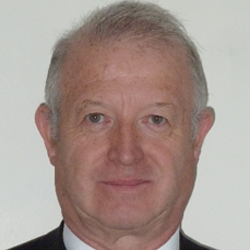 |
Rod Muttram FREng
President, IRSE
Bart Thomas
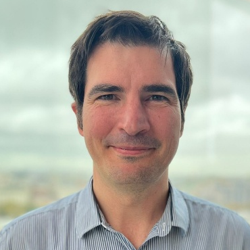 |
Bart Thomas
Technical Services Director, Tilt Consulting
Sarah Dale
 |
Sarah Dale
Technical Director - Traction Power, Mott MacDonald
Steven Brown
 |
Steven Brown
Associate, Tilt Consulting
Craig Tuck
 |
Craig Tuck
Principal Engineer, Network Rail
Chris Binns
 |
Chris Binns
Director, Binns Rail Consulting Limited
Phil Dubery
 |
Phil Dubery
Director, CPC Systems Limited
Sam Etchell
|
Sam Etchell
Head of Engineering, Major Projects, TfL
Lee Allen
 |
Lee Allen
Technical Director, Head of Cyber Resilience, Arcadis
Barny Daley
 |
Barny Daley
Global Technical Director, Network Rail Consulting
Richard Thomas
 |
Richard Thomas
Principal Consultant, AtkinsRéalis
Maya Petkova
 |
Maya Petkova
Head of Power, Control and Command Systems, Office of Rail and Road
Fraser Allan
 |
Fraser Allan
Senior Programme Manager FRMCS Lead, Network Rail
George Clark
 |
George Clark
Technical Director, Transport for London
Martin Zweers
 |
Martin Zweers
Senior Advisor ETCS Signalling systems, Arcadis
Arvind Bali
 |
Arvind Bali
Principal Engineer, Network Rail
Lynsey Rennie
 |
Lynsey Rennie
Principal Engineer, Network Rail
John Alexander
 |
John Alexander
Principal Engineer, MB Rail Consultancy Ltd
Week one - live virtual
29 September 2026 - 1 October 2026
- Day one - 29 September 2026
-
09.45
Teams opens
09.50
Welcome and introductions
Chair: Harvinder Bhatia, Head of Engineering Services, TfL
Chair: Martin Fenner, Director, Flare Technology10.00
Session 1: Keynote
Rod Muttram, President, IRSE
10.30
Break
10.35
Session 2: A Brief History of Railway Signalling – from the Bobby to the Balise.
John Alexander, Principal Engineer, MB Rail Consultancy
11.30
Break
11.45
Session 3: The Role of the Regulator
-
Understanding what these duties are and how organisations engage with the regulator will be beneficial to all who enter the rail industry.
Maya Petkova, Head of Power, Control and Command Systems, Office of Rail and Road
12.40
Lunch
13.40
Session 4: How does Signalling Contribute to the Railway Enterprise?
- recognise the range of potential purposes of a railway enterprise
- recognise the contribution of signalling systems to the operational and business performance of a railway system
- recognise how signalling affects capacity, reliability and customer experience on a railway system
Andrew Love, Director, Headway Innovation
14.35
Break
14.50
Session 5: Engineering Safety Management and the Signalling Engineer: A Beginners Guide to Engineering Safety Management
-
Understand foundational safety principles and concepts of safety management in engineering contexts (including hazard identification, risk assessment, and safety culture).
Panagiotis Takis Kantartzis, Senior Associate Director, Jacobs
15.45
Break
16.00
Session 6: Human Factors for Railway Signalling and Control Systems
- Be able to give an overview of Human Factors/ Ergonomics and the role in rail
- Describe user-centred design principles, covering
- Human/ user
- User interfaces
- Workstation
- Organisation
- Environment
Dr Amanda Elliott , Technical Director, Systems Integration Engineer, Mott MacDonald
16.55
Day one finish
-
- Day three - 1 October 2026
-
09.30
Teams opens
09.35
Welcome
Chair: Arvind Bali, Principal Engineer, Network Rail
Chair: Andy Bourne, Senior Technical Director, Arcadis09.40
Session 11: Rail Traffic Management Systems (RTMS) and Driver Advisory Systems (DAS)
-
Develop a high level understanding of Traffic Management and Driver Advisory Systems.
Andy Bourne, Senior Technical Director, Arcadis
10.35
Break
10.50
Session 12: Telecommunications Supporting Signalling and Railway Operations
-
Why the railway needs Operational Telecommunications
-
What Operational Telecommunications within the railways are
-
What the significant Operational Telecommunications Applications are in today’s Railway
-
Have an idea of the future direction for Operational Telecommunications
Neil Wilkinson, Principal Engineering Leader (Telecoms), TfL
Fraser Allan, Senior Programme Manager FRMCS Lead, Network Rail
12.00
Break
12.05
Session 13: Signalling for Capacity
- Capacity - why it's not a simple issue
- Factors influencing Capacity
- Incorporating capacity requirements into design
- Checking capacity requirements can be met
- Delivering capacity in practice
George Clark, Technical Director, Transport for London (TfL)
12.50
Lunch
13.35
Session 14: Metro moving block principles
-
Gain an awareness of the principles of moving block and understand how it compares with conventional fixed-block signalling systems
-
Understand the generic system architecture of a moving block system, including the rationale for each system element, and will be introduced to a sample of available supporting technologies
Jane Power, Past President, IRSE
14.05
Break
14.20
Session 15: Signalling Train Equipment and Interfaces
-
Explain how the train on-board signalling systems works within the rail environment
-
Understand the common constituents that provides train protection and associated automation
-
Understand the key interfaces between train and signalling systems
-
Common challenges associated with delivering such systems
-
Some of the practices adopted by the presenter that may aid the attendees in their future roles
Bart Thomas,Technical Director, Tilt Consulting
15.15
Break
15.30
Group workshop three
Run by Andy Bourne, Senior Technical Director, Arcadis
16.30
Day three finish
-
- Day two - 30 September 2026
-
09.30
Teams opens
09.35
Welcome
Chair: Thulasi Karunakaran, Technical Director - Head of Systems Engineering, Arcadis
Chair: Martin Fenner, Director, Flare Technology09.40
Session 7: The Need for Train Detection
- The purpose of train detection in signalling and control systems
- The main types of train detection
- The way in which the main types of train detection work, and their pro's and con’s
- The future of train location
Andy Piotrowski, Principal Hardware Engineer and Technical Lead, Hitachi Rail
10.35
Break
10.50
Session 8: Interlocking Principles
- An introduction to the building blocks of train path route design
- It will provide a spring board into the vast subject of British route signalling practice
- The session will introduce some of the changes made by NR with due cognisance that lineside signals still have a lifetime prior to ETCS
Graeme Christmas, Principal Engineer, Network Rail
11.45
Break
12.00
Group workshop one
Run by Martin Fenner, Director, Flare Technology
12.55
Lunch
13.55
Session 9: Automatic Train Protection
Paul Booth, Associate, The Nichols Group
14.50
Break
15.05
Session 10: Systems Engineering and Requirements Management
-
Understand how to take a whole systems approach to the delivery of projects and how to ensure that requirements are managed throughout the lifecycle of the project
Thulasi Karunakaran, Technical Director - Head of Systems Engineering, Arcadis
16.00
Group workshop two
Run by Thulasi Karunakaran, Technical Director - Head of Systems Engineering, Arcadis
17.00
Day two finish
Week two - in-person
6 - 8 October 2026
- Day four - 6 October 2026
-
09.15
Registration
09.30
Chair welcome
Harvinder Bhatia, Head of Central Engineering, TfL
09.40
Session 1: Electrical Interfaces (Integration, Safety and Management)
- Identify Electrical Interfaces
- Improve interface design
- Understand the importance / safety risks of electrical interfaces
- Gain knowledge on what standards to apply and tools/processes to manage the interface
Sarah Dale, Technical Director - Traction Power, Mott MacDonald
10.35
Break
10.55
Session 2: How to build useful models
Steven Brown, Associate, Tilt Consulting
11.50
Lunch
13:00
ETCS Fundamentals
Paul Booth, Associate, The Nichols Group13.55
Session 3: ETCS – System Versions, Change Control & Hybrid Train Detection
Craig Tuck, Principle Engineer, Network Rail
14.50
Break
15.15
Session 4: ETCS in Europe - Lessons from ETCS rollout in Netherlands and Denmark
Martin Zweers, Senior Advisor ETCS Signalling systems, Arcadis
16.10
Session 5: CBTC technology on London Underground - Four Lines Modernisation programme
- Understand the technology involved in a CBTC deployment
- Understand how the signalling principles and technology interact to deliver a safe solution
- Understand the practical challenges to deploying CBTC technology
- Understand how CBTC technology combined with business change deliver benefits realisation on a major programme
Sam Etchell, Head of Engineering, Major Projects, TfL
17.05
Project workshop 1 - Charting the course
-
Delegates dive into the intricate world of railway signalling, forming teams and tackling a real-world scenario. They brainstorm innovative solutions, laying the groundwork for a safer and more efficient signalling system.
Run by Harvinder Bhatia, Head of Engineering Services, TfL
17.45
Day four finish
- Day six - 8 October 2026
-
09.00
Registration
09.10
Welcome
Chair: Andy Bourne, Senior Technical Director, Arcadis
09.15
Project workshop 3 - Red Light, Green Light, Go For It! Presenting and Polishing Signalling Designs
-
Teams confidently present their detailed signalling proposals and receive feedback. Through this collaborative review, they gain valuable insights to refine their designs and ensure optimal safety and performance
Run by Andy Bourne, Senior Technical Director, Arcadis
11.30
Lunch
12.30
Travel
14.00
Technical Visits available:
Stratford Market Depot
Romford ROC & Elizabeth Line Control Room
- Technical visits have minimum and maximum numbers. Please choose your preferred option when registering for the course. You can only attend one technical visit. We may need to transfer you to a different technical visit depending on demand
-
- Day five - 7 October 2026
-
08.45
Registration
09.00
Welcome
Chair: Arvind Bali, Principal Engineer, Network Rail
Chair: Martin Fenner, Director, Flare Technology09.10
Session 6: Pursuing high reliability
Phil Dubery, Director, CPC Systems Limited
10.05
Session 7: Case Study - Elizabeth Line
- Understand the background and reasons for the three signalling systems used on the Elizabeth Line.
- Understand programme management approaches to software maturity and risk management through the Crossrail Programme experience delivering and opening the Elizabeth Line.
Chris Binns, Director, Binns Rail Consulting Limited
11.00
Break
11.20
Session 8: The challenges of managing the assets from mechanical to digital and everything in between!
Lynsey Rennie, Principal Engineer, Network Rail
12.15
Lunch
13.15
Session 9: Cyber Security
Richard Thomas, Principal Consultant, AtkinsRéalis
14.10
Break
14.20
Project workshop 2 - Drilling Down to Details
-
Teams refine their chosen signalling approach, delving deeper into technical specifics and optimising infrastructure plans. They prepare to face expert scrutiny and emerge with a robust strategy.
Run by Martin Fenner, Director, Flare Technology
16.20
Day five finish
Please note that the programme is subject to change.
Technical visits
Stratford Market Depot. Duration: Approximately 2.5 hours
A technical visit to Stratford Market Depot provides signalling engineers with valuable insight into the interface between train control, maintenance, and operational readiness on a high-frequency metro railway.
Delegates will explore how stabling, servicing, and train preparation activities support reliable signalling performance and service delivery.
This experience offers a practical understanding of how depot operations underpin the wider railway system, complementing signalling principles in a real-world setting
Romford ROC and Elizabeth line control room. Duration: Approximately 1.5 hours
A technical visit to the Romford Rail Operating Centre (ROC) will offer you a unique insight into how one of the world’s most advanced digital railways is managed in real time.
The Elizabeth line control room integrates signalling, operations and infrastructure management, enabling a fully coordinated, end‑to‑end railway control system.
Visitors will observe how high-capacity services across central London are regulated using modern Traffic Management and communications technology.
This visit provides an excellent opportunity for signalling professionals to understand integrated control, digital systems and operational decision-making in a live railway environment.
Technical visits have minimum and maximum numbers. Please choose your preferred option when registering for the course. You can only attend one technical visit. We may need to transfer you to a different technical visit depending on demand.
Course registration and pricing
Please contact ietcourses@theiet.org if you would like to attend only one of the weeks.
Early-bird
(until 17 August 2026)
IET and IRSE member - £1859
Non-member - £1959
Student/Apprentice/TFL - £999
Network Rail - £999
Standard tickets
(until 21 September 2026)
IET and IRSE member- £1959
Non-member - £2059
Student/Apprentice/TFL - £999
Network Rail - £999
Late tickets
(from 22 September 2026)
IET and IRSE member - £2059
Non-member - £2169
Student/Apprentice/TFL - £999
Network Rail - £999
Group booking discounts
10% discount for 3 to 5 delegates – RSCSGR3TO5
15% discount for 6 plus delegates – RSCSGR6PLUS
Address
IET Stevenage: Futures Place
Kings Way
Stevenage
SG1 2UA
What's included in registration?
- Access to the speaker presentation slides.
- Certification of attendance on completion of the course.
- Refreshments and lunch (week two only).
- Technical visit (week two only). Places are limited and you must select to attend when registering.
Technical visits
- Stratford Market Depot
- Romford ROC and Elizabeth Line Control Room
Technical visits have minimum and maximum numbers. Please choose your preferred option when registering for the course.
You can only attend one technical visit. We may need to transfer you to a different technical visit depending on demand.
Terms and conditions
All prices are per person and are subject to 20% VAT. If you require a proforma invoice before booking and/or wish to pay via purchase order, please contact us: events@theiet.org. We regret that we cannot accept AMEX for online payments.
*All students must provide a copy of their student pass or letter of enrolment from their college or University.
Once registered please email your documentation to events@theiet.org along with your booking confirmation number.
Discount codes are for member and non-member delegate registration only, and not applicable to student bookings.
If you need to pay for your group by proforma invoice, please contact events@theiet.org.
Contact us